
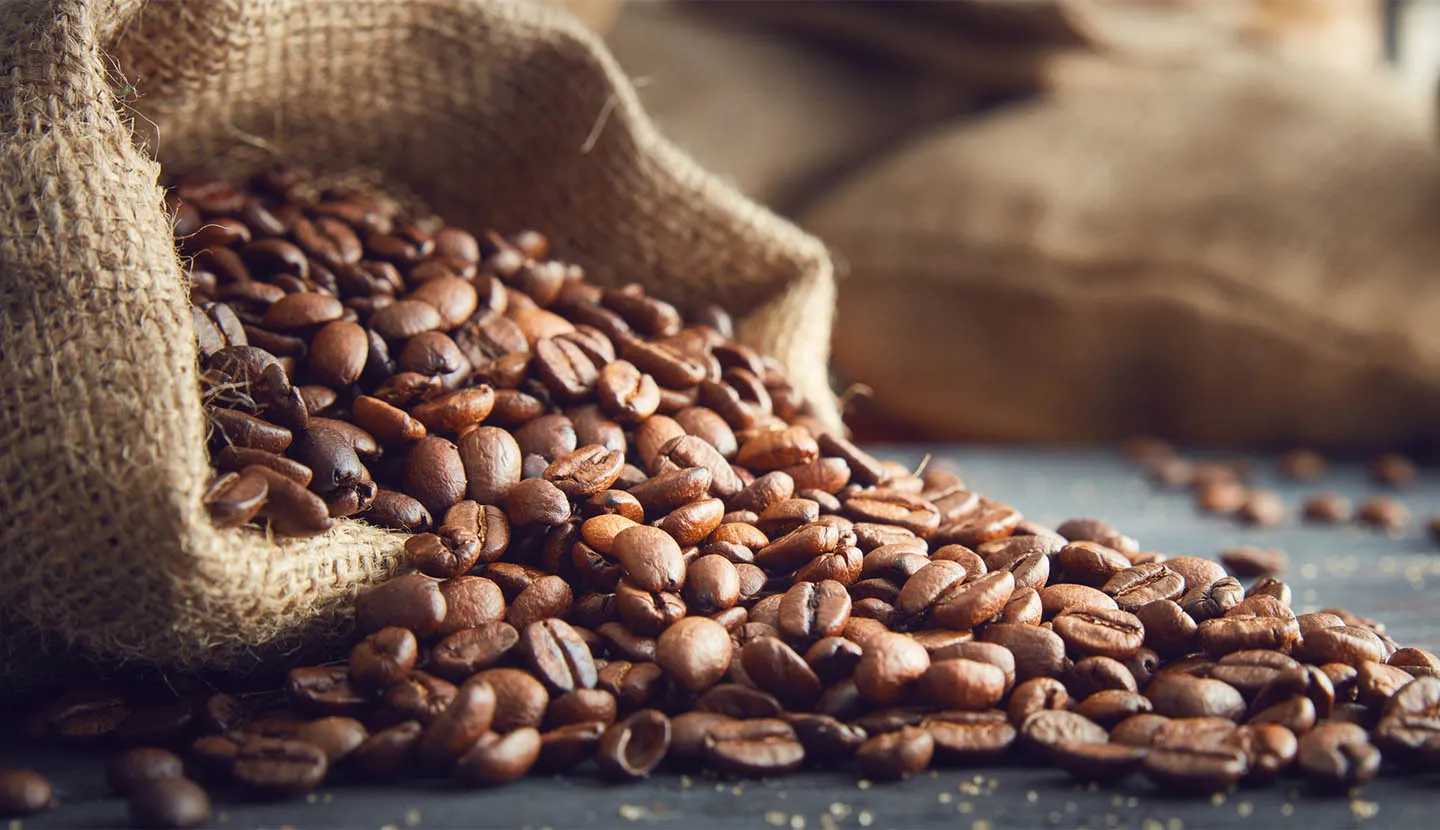
Image source: Nescafé Australia
How it all started?
Coffee originated in Ethiopia around 800 AD, spreading across Arabia, Persia, and Europe by the 17th century. The world's first coffee house opened in Constantinople in 1475, making coffee a global social staple. Today, Latin American nations led by Brazil dominate global production (Nescafé, 2023).
People around the world choose Arabica as their go-to coffee bean, drawn to its mild and aromatic qualities. While Robusta is less preferred for home drinking, its bold kick keeps it a firm favourite in espresso blends and instant coffee. Together, these two bean types make up nearly all of the world's coffee supply, each with its own loyal following.
How the World Takes Its Coffee?
Americano with Milk and Latte top the charts as the world's most ordered coffee drinks, each commanding over 20% of orders. Mid-tier favourites like Americano and Cappuccino hold steady, while Cortado and Espresso remain niche choices despite their strong cultural roots. Interestingly, the "Others" category rivals the top contenders, hinting at a growing curiosity for specialty and non-traditional coffee drinks.
Top 10 Coffee Bean Exporters 2025
Brazil leads global green coffee bean exports in 2025 with 37,000 thousand 60 kg bags, representing around 31% of total exports. Vietnam follows strongly in second place with 24,600 thousand bags, while Colombia ranks third at 11,500 thousand bags.
Together, the top three exporters account for nearly 62% of all global bean exports, reflecting a continued concentration among a small number of producing nations. Indonesia rises notably to fourth place in 2025, with African exporters Ethiopia and Uganda rounding out the top six.